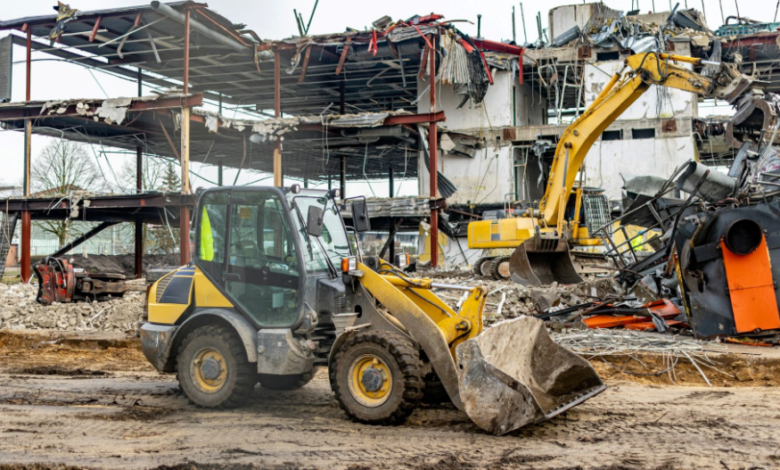
Whether you’re clearing space for a new home, redeveloping a business site, or simply updating an aging property, planning a demolition is a complex process that requires careful preparation and expert guidance. For those considering demolition Byron Bay or any similar project, understanding the stages, regulations, and sustainability practices involved can make all the difference between a smooth experience and a stressful one.
Understanding the Demolition Process
Demolition is far more than just bringing down walls; it’s a detailed, step-by-step operation that begins long before any machinery arrives on-site. It starts with planning and assessment. Property owners first identify the reasons for demolition, whether it’s to remove a deteriorated structure, replace it with something modern, or repurpose the land entirely.
Next comes the professional evaluation phase. Licensed demolition contractors inspect the site for safety hazards and environmental risks, including asbestos and structural instability. Once these assessments are complete, the team prepares the area by disconnecting utilities, securing boundaries, and setting up safety barriers.
Depending on the structure, demolition might involve manual dismantling, mechanical removal, or a combination of both. Larger or more modern buildings often require heavy machinery, while older or delicate structures may need careful deconstruction to preserve certain elements. Throughout the process, safety and environmental responsibility remain top priorities.
Permits and Regulations
Every demolition project must comply with local building codes and environmental regulations. Before any work begins, property owners usually need to apply for permits or submit a demolition plan to the relevant authorities. These applications ensure that the project won’t disrupt neighboring properties, harm protected wildlife, or endanger the public.
The approval process can take time, so it’s wise to start early. Detailed documentation, including structural reports, waste management plans, and environmental assessments, may be required. Working with a professional demolition contractor who understands these procedures can significantly streamline this stage and help avoid costly delays.
See also: Comfort Meets Efficiency: Choosing the Best Pool Heaters for Cairns Homes
Common Structures Undergoing Demolition
Demolition applies to a wide range of property types, from small residential homes to extensive commercial facilities. Each presents unique challenges:
- Residential Buildings: Older homes are often replaced with more energy-efficient designs. These projects require precision to minimize impact on neighboring properties.
- Commercial Sites: Outdated storefronts, warehouses, and office buildings may need to be removed to make way for new developments. Speed and safety are critical, especially in busy areas.
- Outbuildings and Ancillary Structures: Garages, sheds, and small workshops also fall under the demolition work category. While smaller, they can present hidden hazards like asbestos or have limited access points.
Choosing the Right Demolition Contractor
Selecting the right contractor is perhaps the most crucial step. Look for experienced professionals with proper licensing, insurance, and a strong record of safety compliance. Ask for references, review previous projects, and ensure they offer clear communication throughout the process.
A reputable contractor will manage not just the physical demolition but also the permits, site safety, and waste disposal. Transparency about costs and timelines is key. Those who emphasize sustainability and community responsibility, recycling materials, and minimizing noise and dust demonstrate true professionalism.
Sustainability and Waste Management
Today, sustainability is central to responsible demolition. It’s not just about what’s torn down, but how materials are handled afterward. Quality contractors salvage and recycle as much as possible, reusing timber, bricks, and metal, and safely disposing of hazardous materials.
An effective waste management plan not only reduces environmental impact but can also lower costs by minimizing landfill fees. Property owners should always ask contractors about their recycling practices and waste tracking systems. Sustainable approaches in demolition Byron Bay projects, and beyond, ensure that renewal doesn’t come at the environment’s expense.
Final Thoughts
Demolition is the first step in creating something new. With proper planning, expert help, and a focus on safety and sustainability, the process can be efficient and rewarding. Understanding the requirements, choosing skilled professionals, and prioritizing environmental care ensure your demolition project lays the groundwork —quite literally —for a successful new beginning.